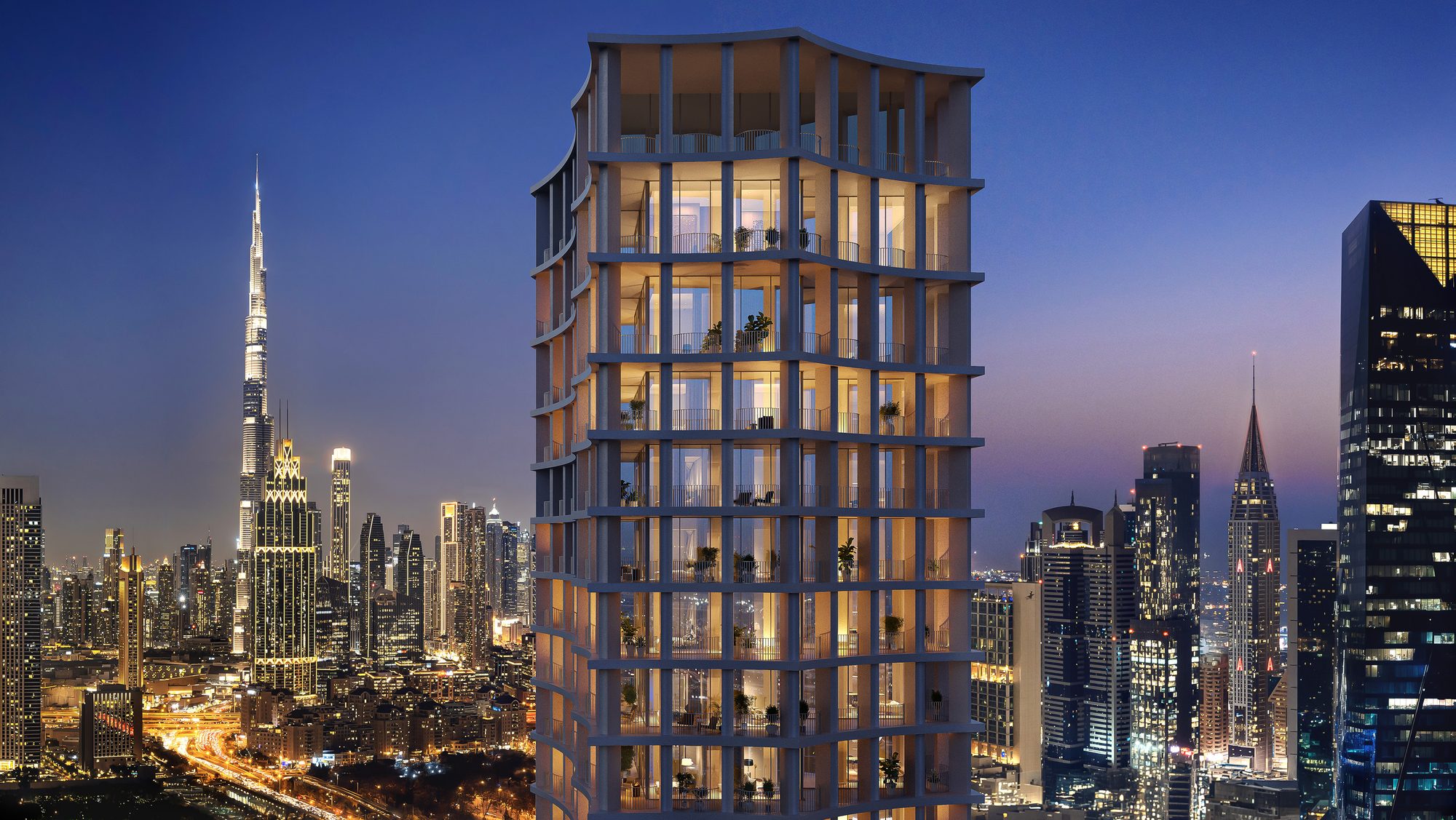
When you buy off-plan in Dubai, you pay for a home that does not exist yet. Three safeguards stand between your money and that risk: a project escrow account, registration of your purchase in the Oqood interim register, and the oversight of the Real Estate Regulatory Agency (RERA). This guide explains what each does, drawing on the text of the law, and where the protection stops.
Escrow: where your payments go
Dubai Law No. 8 of 2007 requires a developer selling units off-plan to open an escrow account for the project. The law defines it as the project’s bank account, into which purchasers’ payments and project finance are deposited. It is held by an escrow agent, a bank or financial institution accredited by the Dubai Land Department (DLD). The main rules are these.
- Dedicated to the project. The account is opened in the project’s name and used only to build it. The law bars creditors of the developer from attaching the money.
- One account per project. A developer with several projects must keep a separate escrow account for each.
- Oversight. The escrow agent must give the DLD regular statements of income and spending, and the DLD can audit them. Depositors can ask to see their own accounting records.
- A 5% retention. When the developer obtains the completion certificate, the escrow agent keeps back 5% of the account’s total value. It is released one year after the units are registered in the buyers’ names.
- If a project stalls. Where a project is not completed, the escrow agent must, after consulting the DLD, take the steps needed to protect depositors: either see the project finished or refund their payments.
Pay only into the escrow account named in your sale agreement. Never pay a developer’s own account, an agent’s account or cash.
Oqood: your registered interest
An off-plan unit has no title deed yet, so Dubai records the sale in the Interim Real Property Register, known as Oqood, under Law No. 13 of 2008, as amended. Registration puts your contract on the DLD’s record and, as one legal commentary puts it, recognises your interest and stops the same unit being sold to someone else. Oqood is your registered proof of purchase until the title deed is issued.
RERA: the regulator
RERA, established under Dubai Law No. 16 of 2007, is the DLD’s regulatory arm and oversees developers, brokers and projects. The escrow law sets several conditions that bear on a buyer.
- Registered developers. A developer must be entered in the DLD’s Register of Real Estate Developers and licensed before it can operate.
- Authorised marketing. A developer needs the DLD’s written authorisation before it advertises off-plan units or promotes them at exhibitions.
- Registered brokers. A developer that deals with a broker who is not on the DLD’s brokers register commits an offence.
- Struck off. A developer is removed from the register if it is declared bankrupt, or if it does not start construction within six months of receiving permission to sell off-plan.
If a project is delayed or cancelled
- Cancelled by RERA. If RERA cancels a project by a final, reasoned decision, purchasers’ payments are refunded under the procedures of the escrow law.
- Delayed. A missed handover date does not by itself entitle a buyer to a refund, cancellation or fixed compensation. The outcome depends on the sale and purchase agreement (SPA), the cause and length of the delay, and the project’s official status.
- Stopping payments is risky. Law No. 13 of 2008, as amended by Law No. 19 of 2020, sets out a procedure for when a buyer breaches the SPA. Lawyers warn that a buyer with a genuine complaint can create extra risk by simply stopping instalments, so take legal advice first.
Where the protection stops
- The law protects money paid into the escrow account. Money paid elsewhere, such as a reservation fee to an agent, may not be covered.
- Escrow does not guarantee a handover date, the final specification, or what the unit will be worth later.
- Your SPA still decides your rights on delay and default, so read it before you sign.
Six checks before you pay
- The developer. Search the DLD’s register or the Dubai REST app for the developer’s name to confirm it is approved.
- The project. Dubai REST shows a project’s enrolment status by name or RERA project number, and the DLD’s Project Status Enquiry service shows its registered details and reported completion percentage.
- The escrow account. Ask for the bank and account number, and confirm they match the project’s registration.
- The broker. Confirm the broker is registered. Lux Queina’s RERA ORN is 40621.
- The contract. Check the handover date, any extension clause, the remedies for delay and what happens if you miss a payment.
- The registration. Make sure your unit is registered in Oqood and that fees are paid through official channels.
Our view
Dubai’s framework is designed to keep buyers’ money ring-fenced, and it is one reason off-plan has become a mainstream way to buy. It does not remove project risk, so the checks above still matter. We explain how payment plans are built in our guide to payment plans, and you can see what we represent in our Off-Plan Investment section.
Sources
- Dubai Law No. (8) of 2007 Concerning Escrow Accounts for Real Estate Development (Dubai Legislation Portal)
- Mondaq: Off-Plan Property Disputes In Dubai: Buyers’ Rights When Developers Default
- Mondaq: Can You Cancel An Off-Plan Property Purchase In Dubai And Recover Your Money?
- Mondaq: Delayed Off-Plan Property Handover In Dubai: Can Buyers Claim Compensation?
- Mondaq: Off-Plan Property Dispute Dubai: Your Rights When A Developer Delays Handover
- Mondaq: Off-Plan Property Disputes In Dubai: Legal Options For Buyers
- Mondaq: How To Navigate Dubai Property Laws: A Step-By-Step Guide For Foreign Buyers
- Mondaq (BSA Law): Rights Of UAE Buyers Regarding Off-Plan Property Delays
- Chambers: Off-Plan Property Delays In UAE: What Are The Legal Rights Of A Buyer?
This article is general information, not legal advice, and laws and procedures can change. For a specific project or dispute, take advice from a Dubai lawyer.